
Wetlands are important features of our natural landscape, providing numerous benefits for people and wildlife…
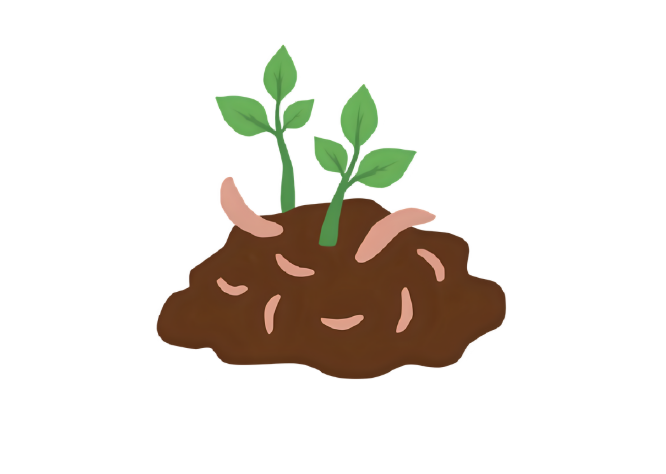
Digging Deeper: Vermicomposting and the Power of Worms
Growing up, I had a fondness for worms. I’m not sure where this admiration for crawling critters began, but I have vivid memories of rescuing them from sidewalks after rainstorms, building worm farms in my garden, and reading How to Eat Fried Worms with both fascination and mild disgust. That book even inspired a dirt-themed party in my third-grade classroom. Despite how frequently worms appeared in my life, I never fully appreciated their ecological importance.
Earthworms play a vital role in maintaining soil health. Often called the “engineers beneath our feet,” these remarkable creatures consume and recycle organic material, improving soil structure and fertility. Their diet includes dead plants, fallen leaves, fungi, bacteria, and occasionally dead animals. As they digest this material, worms produce a nutrient-rich by-product known as vermicast or worm castings—essentially, worm poop—that acts as a powerful natural fertilizer.
You can harness the power of worms through a process called vermiculture or vermicomposting. While traditional composting relies mainly on microorganisms like bacteria and generates heat (sometimes reaching temperatures up to 150°F), vermicomposting is considered “cold” composting. This method uses both microorganisms and worms to break down organic waste. Earthworms act as natural blenders, mechanically breaking up material during digestion. The resulting castings are rich in organic matter and contain essential plant nutrients like ammonium and nitrate in readily available forms.
Research has shown that vermicast can significantly boost crop yields and enhance plant growth. Plants treated with vermicompost often show higher nutrient content compared to those treated with chemical fertilizers. Additionally, vermicompost may help protect plants from pests and diseases, likely due to increased microbial competition that suppresses harmful pathogens.
Vermiculture is not just for farms or large-scale agricultural operations—it can be practiced on a small scale as well. Home-based systems typically use small plastic bins to recycle kitchen scraps into compost. Larger systems rely on multiple worm bins to process greater volumes of organic material. Vermicomposting setups can be placed indoors or outdoors, depending on climate. In regions with extreme seasonal temperatures, indoor systems are recommended, as worms are sensitive to heat and cold. If you are interested in building your own worm bin, the Oregon State University Extension Office has some helpful hints that can found here: https://extension.oregonstate.edu/catalog/em-9034-composting-worms.
Ultimately, earthworms are more than just garden guests or childhood curiosities—they are essential contributors to healthy soil and sustainable agriculture. Whether you are managing a farm or just want to reduce kitchen waste at home, vermiculture offers a way to recycle organic matter and nourish your plants. By giving worms a place to thrive, we support a cycle of life that starts in the soil and sustains everything above it.

Related Posts


Comments (0)